Infinity Pool Construction: Design, Costs, and Installation Guide

Infinity pools have an undeniable appeal. They create the illusion of water flowing endlessly over the edge, blending seamlessly with the surrounding view. Whether overlooking city skylines or ocean horizons, these pools offer an unmatched sense of luxury and calm.
Building one, however, involves far more planning than a standard pool. From structural engineering to hidden catch basins, infinity pool construction requires a clear understanding of design, cost, and maintenance needs before you start digging. You can explore more inspiration in our guides on pool designs in San Diego and luxury pool design ideas.
This guide explains exactly how infinity pools work, what affects their price, and how to design and build one that looks incredible and lasts for decades. For additional planning resources, you can also review our articles on pool construction timelines and pool remodeling.
What Is an Infinity Pool?
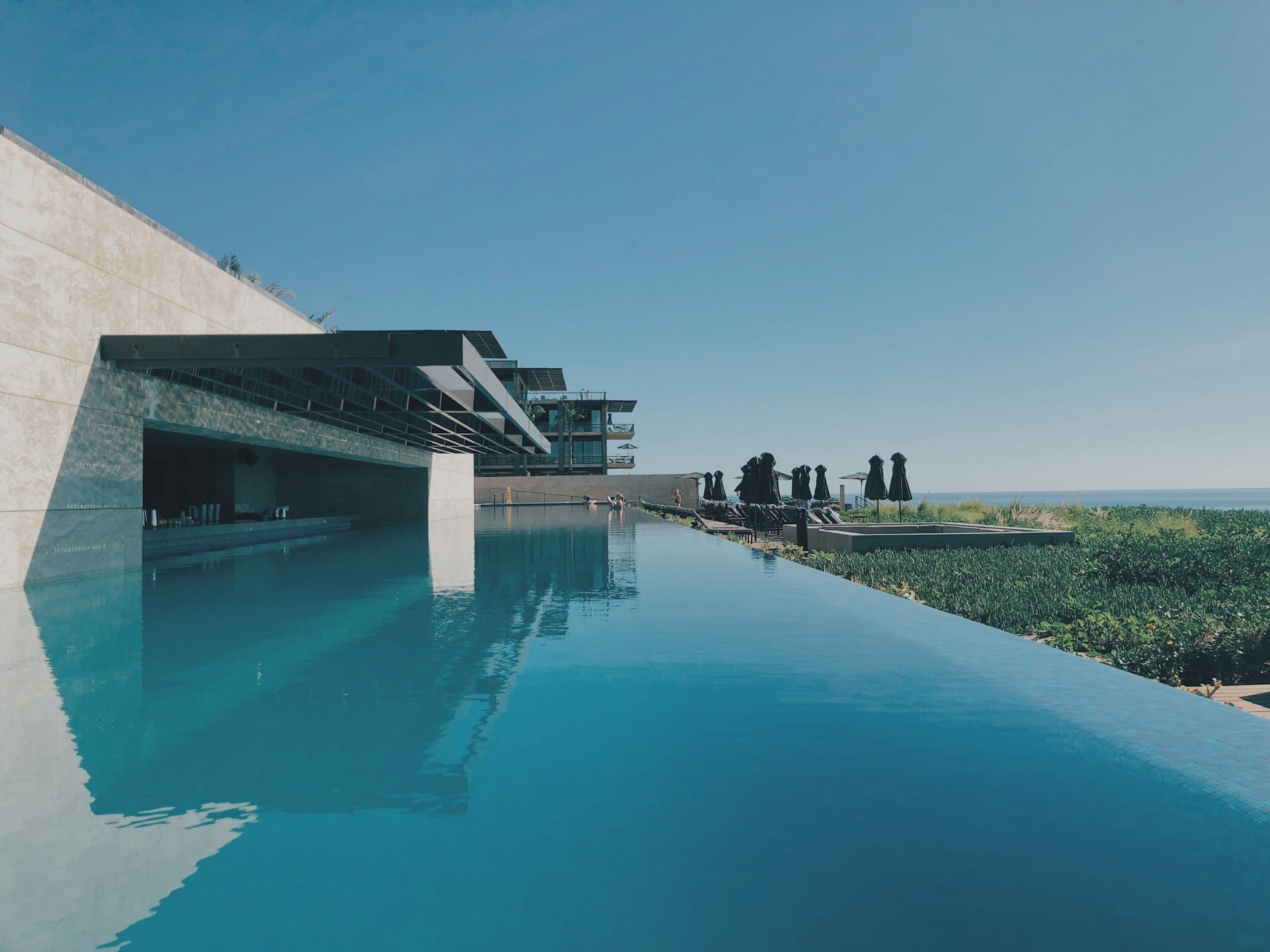
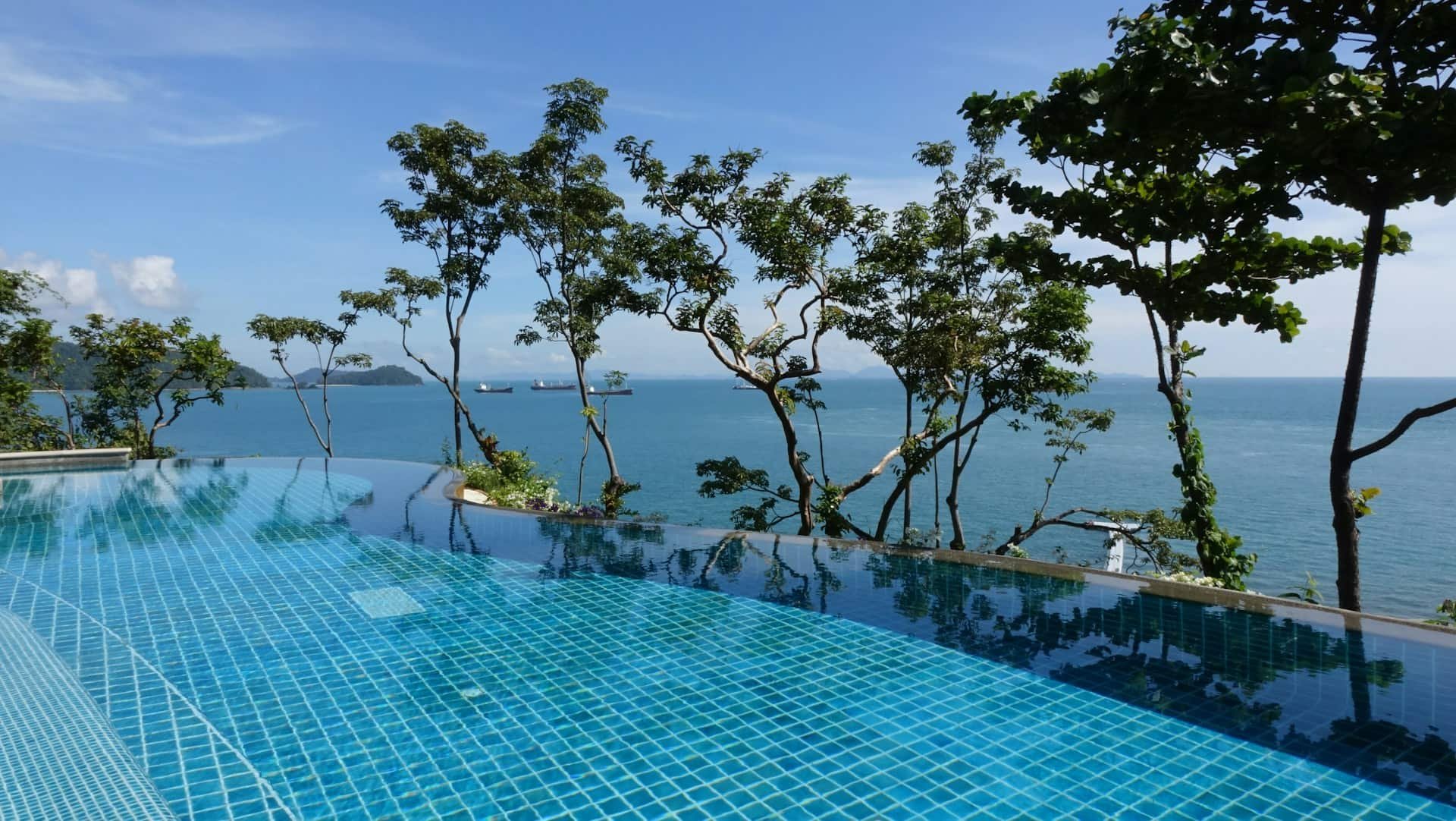
An infinity pool, sometimes called a “vanishing edge” or “negative edge” pool, is designed so water flows over one or more sides, creating a smooth and continuous surface. The overflow is collected in a hidden basin below, then pumped back into the main pool.
This simple concept creates a striking effect, especially when the pool faces an open view. The edge disappears, and the water seems to stretch into the landscape or the sky itself. For design inspiration, see our guides on luxury pool features and customizing a pool.
How Infinity Pool Construction Works
Though it looks effortless, infinity pool construction involves precise engineering. Here is how it functions behind the scenes:
The Main Pool is the primary structure where you swim, similar to any standard build you might see in our projects for pool construction in San Diego.
The Weir Wall is a lowered or sloped wall that allows water to flow evenly over the edge.
The Catch Basin (Surge Tank) is a secondary reservoir that collects the overflow water.
The filtration System transfers water from the catch basin back into the main pool, keeping the movement steady and controlled.
This closed loop system runs continuously to maintain the infinity illusion. The alignment, leveling, and flow rate must be perfect, or the effect will not work. You can learn more about structural planning in our article on the full pool construction timeline.

Key Design Considerations
Designing an infinity pool is a careful balance of aesthetics and engineering. Every detail, from elevation to water flow, affects how the final result looks and performs.
1. Site and Elevation
Infinity pools work best where the land slopes naturally. Elevated locations, such as hilltops or properties overlooking valleys, lakes, or the ocean, create the most dramatic visual effect.
If your property is flat, it is still possible, but it requires additional sitework, which can increase total project cost. You can explore examples in our guide on pool designs in San Diego.
2. Edge Orientation
Choose the edge direction carefully. The vanishing side should frame the most beautiful view on your property. Positioning also affects how sunlight reflects and how water movement appears throughout the day. For more inspiration, see our article on luxury pool design ideas.
3. Structural Integrity
The vanishing edge wall must handle constant water pressure and movement. Reinforced concrete additives is typically used for strength and water migration efforts. Soil type, drainage, and slope stability all influence how the pool is built. If your site requires adjustments, our team addresses these factors during pool construction in San Diego.
4. Flow Rate
Water flow needs to be perfectly balanced, not too fast and not too slow. If the flow becomes uneven, the edge line will ripple instead of creating a smooth mirror effect. This is one of the most important details in infinity pool engineering.
5. Pool Finish
Smooth surfaces like polished plaster, pebble, or glass tile complement the reflective nature of infinity pools. Darker colors can deepen the visual effect and help the edge blend naturally with the horizon. You can learn more about finishes in our guide on pool plaster resurfacing.
Materials Used in Infinity Pool Construction
Building an infinity pool requires durable and high quality materials that can handle constant water movement and exposure.
Concrete (Wet Mix Shotcrete): This is the foundation of most custom infinity pools. It offers flexibility for unique shapes and designs, similar to the structures used in our projects for luxury pool builders in San Diego.
Steel Reinforcement: Added to support the vanishing edge wall and prevent structural stress, especially important for hillside or sloped properties.
Waterproofing Membrane: Applied below all finish materials to prevent leaks and protect the structural shell from long term moisture damage.
Tile and Stone Finishes: Common choices include glass mosaic, natural stone, and porcelain options. These materials add texture and elegance and also enhance the reflective effect. You can explore aesthetic options in our guide on customizing a pool.
Coping and Edge Detailing: The finishing stone or tile along the vanishing edge determines how clean and smooth the overflow looks. This detail heavily influences the visual effect and overall luxury feel, similar to features highlighted in our article on luxury pool features.
Each component plays a critical role in achieving the seamless appearance that defines infinity pool design.
How to Build an Infinity Pool: Step by Step Process
Building an infinity pool takes expertise and precision. While the process varies slightly based on site conditions, most projects follow these stages. For a full overview of what a typical project involves, you can also review our guide on the pool construction timeline.
Step 1: Site Assessment and Design Planning
Engineers assess slope, soil, and view orientation. Then the designer creates a layout that shows the pool shape, dimensions, and vanishing edge direction.
During this stage, factors like retaining walls, safety barriers, and access paths are finalized. You can learn more about planning considerations by exploring our page on pool construction in San Diego.
Step 2: Excavation and Structural Framing
The site is excavated according to the design depth. A reinforced steel framework, commonly called rebar, is built to form the footing, pool shell and the overflow wall.
This stage requires exact measurements since even minor slope errors can disrupt water balance.
Step 3: Installing the Catch Basin
The basin, also called the balance tank or trough, is built below the vanishing edge. It holds the overflow water and connects to the pump system.
Proper sizing is crucial. It should hold at least the volume displaced when multiple people are swimming and large enough to capture surge.
Step 4: Plumbing and Circulation System
Pipes, pumps, and filters are installed to maintain constant water flow between the main pool and the basin. High performance pumps are essential for smooth and silent circulation.
Good circulation is also an important part of long term care covered in our guide on pool maintenance for beginners.
Step 5: Concrete Application
Shotcrete is sprayed into the steel frame to form the shell. Once set, the surface is shaped, smoothed, and left to cure.
Step 6: Waterproofing and Tiling
After curing, waterproofing membranes are applied to prevent leaks. Then finishes such as plaster, pebble, or tile are added for texture and color. If you want to compare surface options, see our article on pool plaster resurfacing.
Step 7: Filling, Testing, and Balancing
Once complete, the pool is filled and the circulation system is tested for leaks, pressure, and balance. Engineers check that water flows evenly across the edge before final adjustments.
Homeowners often pair this stage with planning for long term upkeep or future improvements such as pool remodeling.
Infinity Pool Costs: What to Expect
Infinity pools are more complex and therefore more expensive than traditional pools. The total cost depends on design, materials, and terrain challenges. You can compare this with the cost considerations discussed in our guide on pool construction in San Diego.
Average Cost Range of adding this feature to your pool build
Small Infinity edge: 40,000 to 90,000 dollars
Mid Size Infinity edge: 90,000 to 120,000 dollars
Luxury Infinity edge: 150,000 dollars and higher
Main Factors Affecting Cost
Permit and Engineering Fees
Because infinity pools involve structural complexity, professional engineering and local permits are mandatory.
Location and Terrain
Hilly or uneven ground increases labor and engineering requirements. Flat sites may need retaining walls or raised platforms to simulate elevation. For similar considerations, see our page on pool remodeling where site conditions also influence overall effort.
Size and Depth
Larger pools require more concrete, steel, and finishing materials. Depth also influences structure and water capacity.
Material Selection
Premium finishes like mini pebble of glass bead or exotic natural stone tiles cost more than basic plaster. You can explore finish options in our guide on pool plaster resurfacing.
Pump and Filtration Systems
Infinity pools require specialized equipment for continuous water flow, which adds to the overall cost.
Lighting and Features
LED lighting, water walls, or integrated spas can increase pricing but significantly improve aesthetics. You can explore ideas in our article on luxury pool features.
Infinity Pool vs Regular Pool
| Feature | Infinity Pool | Traditional Pool |
|---|---|---|
| Design | Vanishing edge illusion | Standard raised coping |
| Structure | Dual level system with catch basin | Single level basin |
| Cost | Higher due to engineering | Lower overall |
| Maintenance | More monitoring required | Simpler upkeep |
| Visual Appeal | Seamless and luxury focused effect | Conventional appearance |
While the cost difference is clear, the visual reward of an infinity pool is unmatched for properties with scenic surroundings. You can explore more inspiration in our guide on luxury pool design ideas if you are comparing styles.
Maintenance and Longevity
Regular maintenance keeps your infinity pool functioning well and looking flawless. For more guidance on care, you can review our beginner friendly guide on pool maintenance.
Daily and Weekly Tasks
Skim debris and check water levels in both the pool and the catch basin.
Clean filters and baskets to prevent blockages.
Monitor pH and chlorine levels, which is especially important for reflective finishes.
Seasonal Care
Inspect shell and edge tiles for signs of wear.
Service pumps before peak swimming season to ensure consistent water flow.
Adjust water chemistry after heavy rainfall or extended heatwaves.
With consistent upkeep, a well constructed infinity pool can last twenty to twenty five years before needing resurfacing. You can learn more about surface care in our article on pool plaster resurfacing.
Design Ideas for Infinity Pools
Infinity pools are not just about the edge. They are about how the entire setting works together. Here are some popular design ideas that work beautifully with properties in Southern California.
1. Ocean View Pools
Ideal for coastal homes where the edge visually meets the sea. A darker pool finish deepens the connection with the ocean. For more inspiration, see our page on luxury pool design ideas.
2. Hilltop Infinity Pools
Built into sloping terrain, these pools extend into open air and create the sensation of floating above the landscape.
3. Courtyard Infinity Pools
Compact designs integrated with modern architecture. These often feature glass walls or minimal coping for a sleek look.
4. Resort Style Terraces
Tiered designs where multiple pools cascade into each other. This layout is perfect for large properties.
Each layout emphasizes serenity and flow, making the pool feel like a natural part of its surroundings rather than a separate structure.
How to Choose the Right Builder
Because infinity pool construction requires advanced engineering, choosing the right team matters as much as the design. If you are evaluating options locally, you can compare details on our page for luxury pool builders in San Diego.
Here is what to look for:
Verified experience with vanishing edge pools
Licensed Soils engineers who work specificly with swimming pools
Licensed Structural engineers with knowledge of infinity pool design
Transparent pricing and a clear timeline
A strong portfolio showcasing previous infinity pool builds
Clear warranty terms for both structure and equipment
Ask to see similar completed pools in your region before committing. A qualified builder will explain every step clearly, including site challenges, engineering requirements, and long term maintenance expectations.
Common Construction Mistakes to Avoid
Even small errors can ruin the infinity effect. Watch for the following issues:
Uneven weir walls, which create rippling instead of a smooth overflow
Undersized catch basins, which lead to overflow and pump strain
Poor waterproofing, which causes leaks
Incorrect pump calibration, which results in uneven water distribution across the edge
These problems often come from rushing the project or hiring general pool contractors instead of specialists. You can learn about structural standards in our article on pool construction in San Diego.
Environmental and Water Considerations
Infinity pools use continuous water circulation, so an efficient system design is essential.
A complete system with filter and pump
Auto cover when not in use to minimize evaporation
Properly sized catch basin to handle water surge from swimming or wind
Use high quality filtration to reduce chemical consumption
Sustainability and beauty can work together when the system is designed with care. You can also see our guide on swimming pool safety for additional responsible practices.
Final Thoughts
An infinity pool is more than a place to swim. It is an architectural statement, and every detail, from slope to surface texture, contributes to the illusion of endless water.
By understanding infinity pool construction, its design principles, materials, and cost factors, you can make confident choices that bring your vision to life. If you are considering one, begin with a professional site assessment to understand how your property can support an infinity design that complements both your space and your view.
You can also explore helpful resources such as pool remodeling in San Diego and luxury pool builders if you plan to compare design options.
Frequently Asked Questions
-
Infinity pool construction includes a vanishing edge, a catch basin, and a continuous circulation system, which makes the process more complex than building a standard single level pool.
-
Most infinity pools cost between 60,000 and 150,000 dollars depending on size, materials, terrain, and engineering requirements.
-
Properties with a natural slope or elevated views work best because the landscape helps create the seamless visual effect.
-
A typical project takes 10 to 14 weeks from design to final water balancing, although complicated terrain or custom features can extend the timeline.
-
Maintenance includes monitoring water levels in both the pool and catch basin, cleaning filters, balancing water chemistry, and checking pump performance to maintain the smooth overflow effect.
Ready to turn your backyard into a high-end escape?
At Portfolio Pools, we specialize in luxury custom pools for San Diego homes. Contact us for a private consultation and let’s explore luxury pool ideas customized to your property and lifestyle.

Portfolio Pools – Luxury Pool Construction & Design in San Diego
Portfolio Pools specializes in design-build projects, delivering quality, detail, & timeless appeal that San Diego residents trust. While our focus is on pool construction in San Diego, we also provide design-only services and consultations for clients outside the region, across the U.S., and internationally.