San Diego County Pool Regulations: A Complete 2026 Homeowner’s Guide
What if a single missed requirement could delay your pool project or cause a failed inspection? San Diego County has more than 120,000 residential pools, making it one of the most highly regulated pool regions in California. With year round sunshine and growing interest in outdoor living, homeowners continue investing in new builds, remodels, and repairs.
Clear rules protect families, reduce accidents, and ensure construction quality. From fencing height to water circulation, every detail matters. This guide simplifies the regulations that shape pool construction, safety, and maintenance so you can move forward with confidence and keep your backyard fully compliant in 2026.
San Diego County regulates pools to reduce avoidable risks and protect families. Much of the current code is shaped by years of statewide accident data, updated building standards, and health department evaluations. These rules are the reason drowning numbers remain lower in neighborhoods with enforced safety barriers, and they also help prevent electrical hazards and water quality problems during the busy summer season.
Why San Diego County Regulates Pools
Regulations focus on four key areas:
Safety barriers such as fencing, gates, and self-latching mechanisms
Construction standards that guide how pools are built and reinforced
Water quality and ongoing maintenance
Operational and sanitation rules for public and semi public facilities
For homeowners, the most important topics include fencing rules, gate hardware, alarms, drain safety, and electrical protection. If you are upgrading an existing space, you can explore design options in pool construction or pool remodeling while staying compliant. Public pools, such as those in resorts or apartment communities, must follow additional water chemistry and equipment standards.
For residential properties, pairing compliance with smart layout planning can help you create a safer environment, and guides like swimming pool safety make these requirements easier to understand.
1. Safety Barrier Requirements in San Diego County
Safety barriers are a core part of San Diego County regulations because they prevent unsupervised access to the pool area. Any pool or spa with more than 18 inches of water must meet both state and county standards. These rules apply whether you are building a new backyard pool, updating an older layout through pool remodeling, or designing a custom layout with luxury pool builders.
Minimum Barrier Height
The fence must be at least 60 inches tall.
Openings cannot allow a sphere measuring 4 inches in diameter to pass through.
Distance From the Water
The distance between the waterline and the barrier varies when perimeter walls or the home structure form part of the enclosure. Most residences rely on a dedicated pool barrier that surrounds the deck, especially in custom layouts described in the pool designs guide.
Gate Rules for Pool Access
Every gate must follow strict safety requirements. Each gate must:
Swing outward and away from the pool
Close on its own
Latch automatically
Have a latch positioned at 60 inches high or placed out of exterior reach
If the latch is installed lower, it must be located on the pool side and protected so it cannot be reached through any opening.
Door and Window Alarms
When the house serves as part of the barrier, California law requires additional safety measures to prevent unintended access. Approved options include:
Audible door alarms
Exit alarms
Self closing and self latching doors
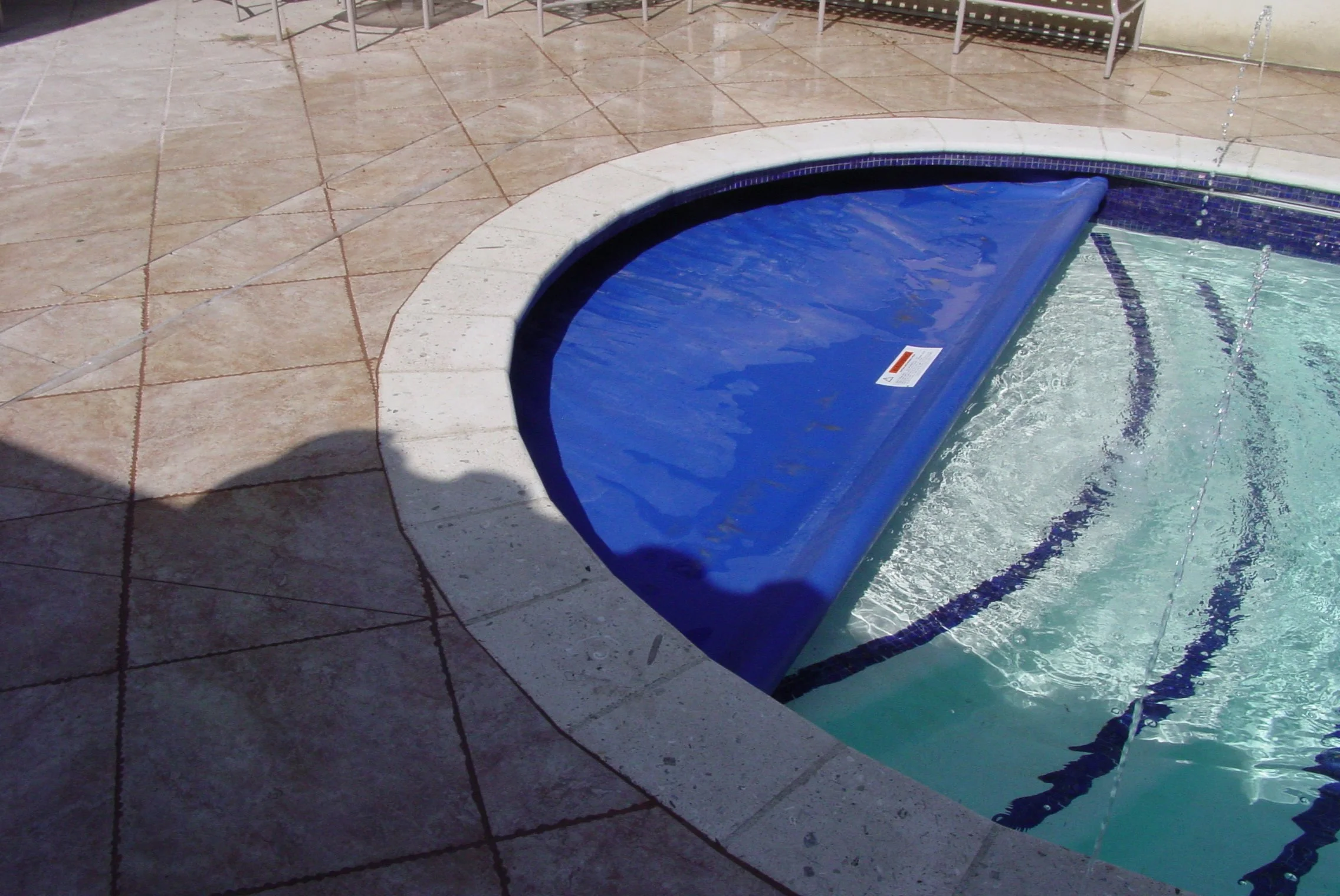
Safety covers that meet the state standard
These requirements apply throughout the county and align with the California Swimming Pool Safety Act. Homeowners often pair these measures with general safety practices outlined in the swimming pool safety guide.
Additional Safety Features Required in California
State law requires two independent safety features for all residential pools. Common options include:
Isolation fencing
Safety covers certified under ASTM F1346
Removable mesh barriers
Door alarms
Exit alarms
Approved motion sensing devices
Many San Diego homeowners choose a combination of fencing and alarms, though automatic covers are increasingly popular due to year round use and simple maintenance.
2. Construction Rules for Pool Builders in San Diego County
Any homeowner planning a new pool or beginning a remodel must follow county and municipal building codes. These rules create a safe foundation and ensure long term durability. Cities within San Diego County may add their own guidelines, but the core requirements remain similar. If you are starting a design from scratch, reviewing the pool construction process can help you understand how these rules fit into each stage.
Structural Requirements
Concrete pools must contain structural steel reinforcement that meets engineering standards.
Engineering plans require review and approval before any excavation begins.
Properties located on slopes or hillside terrain may need detailed soil reports to confirm stability.
Homeowners upgrading an older structure through pool remodeling will also follow these requirements when altering the shell or adding major structural elements.
Depth Markers
Depth markers are mandatory for public or commercial facilities, including resorts, fitness centers, and community pools. Single family residential pools do not require them, although some owners choose to add markers for visibility and convenience.
Steps, Ledges, and Entrances
Public and semi public pools must follow precise measurements for step treads, risers, handrails, and entry points. Residential pools have more freedom in design, especially when creating custom features or luxury elements similar to those shown in luxury pool design ideas. Even with this flexibility, builders must still follow standard building code practices to keep entry points safe.
Main Drain Safety
Every pool and spa must meet strict suction safety standards. Builders are required to install:
Anti entrapment drain covers
VGB compliant suction and circulation systems
These rules apply to all new builds and all remodels. They are essential for preventing entrapment incidents, and they align with the same safety expectations discussed in the pool repair guide.
3. Electrical Rules for Pools in San Diego County
Electrical safety is taken very seriously in San Diego County because improper wiring can create life threatening hazards. Pool projects must follow the California Electrical Code, county building regulations, and any city level inspection procedures. These rules apply whether you are installing a new system during pool construction or upgrading equipment during a remodel.
Key Electrical Rules Homeowners Should Know
All electrical outlets must be installed at a safe distance from the water.
Underwater lighting must use low voltage fixtures and be certified for wet environments.
Proper bonding and grounding is required on all equipment.
Any pool that receives an electrical upgrade must pass inspection before activation.
Many older San Diego homes built before the 1990s may need panel upgrades to meet modern code. This is common during remodels, especially when homeowners add new pumps, automation systems, heaters, or luxury features similar to those shown in the luxury pool features guide.
4. Water Quality Requirements
San Diego County enforces strict rules for public and commercial pools to protect swimmers. County inspectors monitor chlorine levels, pH, clarity, circulation, filtration, and complete record keeping. These standards apply to apartment complexes, gyms, resorts, and community centers.
Residential pools do not require reporting, although the county recommends following safe baseline levels such as:
Chlorine between 1 and 4 ppm
pH between 7.2 and 7.8
Clear visibility to the deepest point
Functional filtration and circulation systems
Daily skimming and routine brushing
For homeowners maintaining their own water, these guidelines are helpful for avoiding cloudy water and algae growth. Beginners can also reference the pool maintenance guide for simple weekly routines. If water clarity becomes an issue, a professional pool repair service can diagnose equipment or chemical imbalances.
5. Permit Requirements for Pools in San Diego County
A building permit is required for any project that affects the structure, plumbing, or electrical work of a pool. This includes new construction, major remodels, and upgrades. Homeowners planning full backyard transformations often start by reviewing the pool construction timeline to understand when each permit stage occurs.
A Permit Is Required For
New pools
Major remodels
Replastering that involves structural changes
Adding spas
Adding retaining walls
Gas or electrical line upgrades
Relocating equipment pads
Common Fees
Permit fees may cover:
Structural plan review
Electrical plan review
Plumbing review
On site inspections
Engineering evaluations
Coastal Development permits for homes in coastal zones
Properties in La Jolla, Del Mar, Encinitas, and Coronado often require coastal or hillside reviews due to topography and environmental protections. These reviews can extend the project timeline, so planning ahead is essential for smooth scheduling.
6. Safety Rules for Public and Semi Public Pools
Public and semi public pools, including hotel pools, apartment communities, HOAs, and fitness facilities, must comply with strict standards set by the San Diego County Department of Environmental Health. These rules protect large groups of swimmers and reduce risk in high traffic environments.
Required Safety Features
Lifesaving equipment placed in visible locations
Required safety signage
Depth markers along the perimeter
A clearly marked emergency shut off switch
Unobstructed rescue access
Lighting approved for night use
Routine Inspections
County officials conduct regular inspections to evaluate:
Water chemistry and clarity
Filtration and circulation performance
Structural condition of the pool and deck
Drain and suction system compliance
Inspection results are published by DEH so the public can verify a facility’s safety record.
7. Spa and Hot Tub Rules
Spas and hot tubs follow many of the same safety principles as pools. They also include additional rules because of higher water temperatures and enclosed seating areas.
Required standards cover:
Timer controlled jet systems
Maximum allowable water temperature
Proper ventilation for indoor structures
Anti entrapment systems that meet VGB requirements
Residential spas must follow the same safety barrier rules as pools. Homeowners planning a custom spa or adding one during a pool remodel should confirm that fencing, alarms, and drain safety features meet county requirements.
8. Fence and Gate Compliance During Home Sales
Pool safety becomes a major focus during real estate transactions throughout San Diego County. Home inspectors often assess whether the pool area meets state and county rules. They commonly check for:
Proper fence height
Correct gate swing direction
Working self closing and self latching mechanisms
Approved safety covers
Functional door and window alarms
Condition of pumps, filters, and equipment
Drain safety compliance
If any requirement is missing, buyers may request repairs or credits before closing. Many sellers review the swimming pool safety checklist ahead of time to avoid delays.
9. Common Mistakes That Lead to Violations
Some violations occur because homeowners overlook small details during construction or maintenance. Frequent issues include:
Latches installed too low
Large gaps under fence panels
Windows that open into the pool area without alarms
Drain covers that are worn or outdated
Electrical components placed too close to the water
Retaining walls built without proper engineering
Planning early helps prevent these problems. Homeowners who begin with a reviewed design or work with experienced luxury pool builders avoid most compliance issues.
10. What Happens If a Pool Is Not Compliant
A non compliant pool can lead to serious setbacks. Homeowners may face:
Stop work orders
Lengthy construction delays
Extra costs for corrections
Complications during home sales
Liability risks if an accident occurs
Public facilities may also face temporary closure until all violations are resolved.
11. How to Stay Compliant When Building a New Pool
Homeowners can avoid violations by following county rules from the beginning of the project. The most reliable steps include:
Hiring licensed contractors who understand local regulations
Requesting engineering review early in the process
Checking fence and gate designs before work begins
Adding alarms where required
Confirming drain safety and suction compliance
Scheduling all final inspections
Builders who understand San Diego’s terrain, hillside rules, and coastal requirements create smoother timelines and more predictable results. Homeowners planning a custom build can explore the pool construction guide for an overview of how compliance fits into each stage.
Final Thoughts
Understanding San Diego County pool regulations helps homeowners plan smarter, avoid delays, and keep their outdoor spaces safe. The rules may seem detailed, but each requirement serves a clear purpose. They protect families, guide proper construction, and ensure long term durability. Whether you are building a new pool, upgrading an older design, or preparing for a home sale, compliance gives you confidence that your investment meets the highest safety and quality standards.
If you are ready to start your project or want expert guidance on creating a compliant and beautifully designed backyard, explore the pool construction services or connect with the team at Portfolio Pools for a customized plan.
Frequently Asked Questions
-
San Diego County requires residential pool fences to be at least 60 inches tall with openings small enough to prevent a 4 inch sphere from passing through. Gates must close on their own, latch automatically, and swing outward away from the pool. Homes that use walls or the house as part of the barrier must also install alarms or approved safety devices.
-
Yes. A permit is required for new pools, major remodels, structural replastering, spas, retaining walls, gas or electrical upgrades, and equipment pad relocation. Homes near coastal zones may also need Coastal Development review.
-
Pools must follow the California Electrical Code and county level inspection standards. All underwater lighting must be low voltage or certified for wet environments. Bonding, grounding, and safe outlet placement are required, and any electrical upgrade must pass inspection before the system is activated.
-
Public and semi public pools must provide lifesaving equipment, depth markers, safety signage, clear rescue access, approved lighting for nighttime use, and an emergency shut off switch. They must also pass routine inspections for water chemistry, filtration, structural condition, and drain compliance.
-
Non compliant pools can face stop work orders, construction delays, added correction costs, failed home inspections, and potential liability risks. Public pools may be temporarily closed until all violations are fixed.
Ready to turn your backyard into a high-end escape?
At Portfolio Pools, we specialize in luxury custom pools for San Diego homes. Contact us for a private consultation and let’s explore luxury pool ideas customized to your property and lifestyle.

Portfolio Pools – Luxury Pool Construction & Design in San Diego
Portfolio Pools specializes in design-build projects, delivering quality, detail, & timeless appeal that San Diego residents trust. While our focus is on pool construction in San Diego, we also provide design-only services and consultations for clients outside the region, across the U.S., and internationally.